






Polycarbonate roofing has become one of the most popular choices for patios, pergolas, carports, and outdoor areas across Australia. It’s lightweight, strong, UV resistant, and available in a wide range of colours and finishes.
But while polycarbonate is a fantastic material, it’s also one that’s surprisingly easy to get wrong.
We see it all the time. Roofs that overheat in summer, sheets that rattle in the wind, panels that crack far earlier than expected, or installations that simply don’t last. In most cases, the issue isn’t the product itself, butthe way it’s been chosen or installed.
If you’re planning a new polycarbonate roof or upgrading an existing one, this guide will walk you through the most common polycarbonate roofing mistakes and, more importantly, how to avoid them.
Why Polycarbonate Roofing Needs to Be Done Right
Polycarbonate is engineered to perform well in Australian conditions. It handles UV exposure, heavy rain, hail, and temperature swings far better than many traditional materials.
That performance, however, depends heavily on:
- Choosing the right type and colour of polycarbonate
- Correct installation techniques
- Allowing for expansion, drainage, and airflow
- Using quality fixings and accessories
Cut corners on any of these, and even the best sheets can fail prematurely.
If you’re new to polycarbonate roofing, our guide on polycarbonate roofing options explains the basics and is a good place to start.
Mistake 1: Choosing the Wrong Polycarbonate Colour
One of the biggest mistakes homeowners make is choosing polycarbonate based on appearance alone.
Clear sheets might look great in photos, but in real life, they can turn your outdoor area into a greenhouse. On the other end of the scale, very dark tints can block too much light and leave the space feeling cold and gloomy.
Why colour matters more than you think
Polycarbonate colour directly affects:
- Heat transmission
- Light diffusion
- Glare
- Comfort underneath the roof
For example, opal and soft grey sheets diffuse light evenly and reduce harsh glare, making them ideal for entertaining areas. Bronze and darker tints reduce brightness but can absorb more heat.
How to avoid it
Think about how you’ll actually use the space:
- Entertaining and dining usually benefits from diffused light
- Carports often prioritise UV protection over brightness
- Pool areas may need glare reduction
Roofing Options stocks a wide range of polycarbonate colours and profiles, and we help you choose based on function, not just looks. Our article on opal vs other polycarbonate colours dives deeper into this if you’re unsure.
Mistake 2: Not Allowing for Thermal Expansion
Polycarbonate expands and contracts with temperature changes. In Australia’s climate, those changes can be significant between seasons or even between day and night.
Failing to allow for movement is one of the fastest ways to damage polycarbonate sheets.
What goes wrong
When sheets are fixed too tightly or holes aren’t oversized:
- Sheets can crack around fixings
- Panels may buckle or warp
- Clicking or popping noises appear as temperatures change
How to avoid it
Correct installation always includes:
- Oversized pre-drilled holes
- Proper use of washer systems
- Fixings that allow the sheet to move naturally
This is one reason professional installation or expert guidance matters. At Roofing Options, we supply not just the sheets but the correct fixings and accessories to ensure long-term performance.
Mistake 3: Using the Wrong Fixings or Too Few Fixings
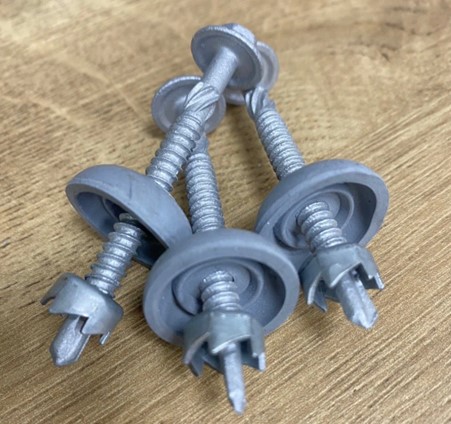
Polycarbonate roofing systems are designed to work with specific fixings. Substituting them with generic screws or using too few fixings might save money upfront, but it often leads to expensive problems later.
Common issues caused by poor fixings
- Sheets lifting in high winds
- Water leaks around screw holes
- Cracking due to uneven pressure
- Excessive noise during storms
How to avoid it
Always use:
- Fixings recommended for polycarbonate roofing
- Properly spaced fasteners
- Compatible washers and caps
We supply complete roofing systems, so you’re not left guessing which components work together.
Mistake 4: Incorrect Roof Pitch and Drainage
Polycarbonate roofing still needs the correct roof pitch to perform properly. A flat or near-flat installation can cause water to pool, leading to staining, algae growth, and eventual leaks.
Why pitch matters
Without enough fall:
- Rainwater doesn’t drain effectively
- Dirt and debris build up
- Sheets discolour faster
- Water can track back into joints
How to avoid it
As a general rule, polycarbonate roofing requires a minimum pitch to allow proper drainage. The exact requirement depends on the profile being used.
Before installing, it’s worth checking recommended pitch guidelines or speaking with our team. We regularly help customers design pergola and patio roofs that look great and function properly.
Mistake 5: Installing Sheets Backwards
This one is more common than you might think.
Most polycarbonate sheets have a UV-protected side that must face upwards. Installing the sheet the wrong way around exposes it to direct UV damage, dramatically reducing its lifespan.
What happens if it’s installed incorrectly
- Premature yellowing
- Brittleness and cracking
- Loss of impact resistance
How to avoid it
- Check manufacturer markings before installation
- Remove protective film only after fixing the sheet
- Follow supplied installation instructions carefully
If you’re unsure, we can walk you through the process or recommend professional installers who are familiar with polycarbonate systems.
Mistake 6: Ignoring Ventilation and Heat Build-Up
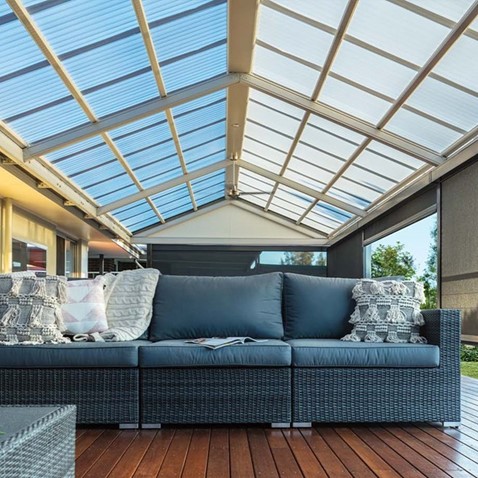
Polycarbonate roofing can trap heat if the structure isn’t designed with airflow in mind. This is especially noticeable in enclosed patios or pergolas with partial walls.
Why ventilation matters
Without airflow:
- Heat builds up underneath the roof
- Outdoor spaces become uncomfortable in summer
- Hot air can affect nearby rooms in the house
How to avoid it
Good design considers:
- Open sides or louvres
- Higher roof lines
- Strategic gaps for air movement
- Choosing heat-reducing polycarbonate colours
We often help customers pair polycarbonate roofing with design tweaks that significantly improve comfort year-round.
Mistake 7: Assuming All Polycarbonate Is the Same Quality
Not all polycarbonate sheets are created equal. Thickness, UV protection, and manufacturing standards all vary.
Cheaper sheets may look similar at first but often lack long-term durability.
What lower-quality sheets risk
- Reduced UV resistance
- Faster discolouration
- Lower impact strength
- Shorter lifespan
How to avoid it
Choose polycarbonate products designed for Australian conditions. Roofing Options supplies trusted, high-quality polycarbonate roofing that’s built to handle local weather extremes.
If you’re comparing materials, our guide on polycarbonate vs Colorbond roofing can help you weigh up the pros and cons.
Mistake 8: Poor Sheet Overlap and Sealing
Incorrect overlaps or missing sealing components can lead to leaks, especially during heavy rain or wind-driven storms.
Common overlap issues
- Water tracking between sheets
- Drips along joins
- Increased noise during rain
How to avoid it
- Follow recommended overlap measurements
- Use compatible joining systems
- Ensure sheets are aligned correctly before fixing
This is another area where system-based products outperform pieced-together solutions.
Mistake 9: Not Planning for Maintenance
Polycarbonate roofing is low maintenance, but it isn’t no maintenance.
Failing to clean and inspect the roof occasionally can shorten its lifespan.
What happens without maintenance
- Dirt and debris trap moisture
- Algae and mould growth
- Reduced light transmission
How to avoid it
A simple routine makes a big difference:
- Rinse sheets periodically with water
- Avoid abrasive cleaners
- Check fixings annually
Why Getting Expert Advice Makes All the Difference
Most polycarbonate roofing problems are completely avoidable with the right advice from the start.
At Roofing Options, we don’t just sell polycarbonate sheets. We help homeowners, builders, and DIYers choose the right product, colour, profile, and accessories for their specific project.
Whether you’re building a new pergola, replacing an old patio roof, or planning a custom outdoor space, our team is here to help you avoid costly mistakes and get it right the first time.
Reliable Polycarbonate Roofing for Melbourne Residents: Call Us!
It doesn’t matter if your experience is in contracting, building, or whether you’re more into doing it yourself; Roofing Options has everything you need to kickstart your dream roofing project. And yes, your roof will be completely UV-protected.
As a leading source of roofing supplies (including polycarbonate) in Melbourne, we have three walk-in locations and a convenient online store.
We supply steel roof sheets, downpipes and accessories, custom made flashings, polycarb roof systems such as Sunpal multi, roof skylights such as Velux, and so much more.
Contact us today, check out our online store for inspiration, or visit us in Cranbourne, Coburg, or Campbellfield.