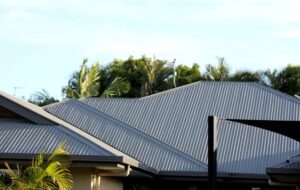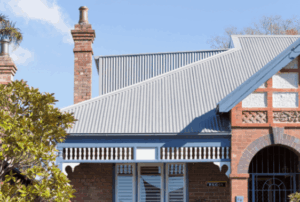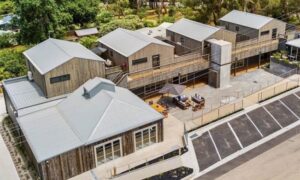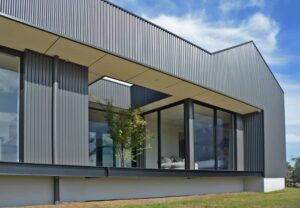







If you’re looking to install, replace or upgrade your roof, corrugated COLORBOND roofing is one of the most popular roofing options on the market.
Known for its durability, modern appearance and broad selection of colours, corrugated COLORBOND steel roofing can provide reliable protection against Australia’s changing weather conditions while complementing almost any architectural style.
However, choosing a new roof involves more than choosing a colour. You also need to consider the roofing profile, insulation, gutters, downpipes, roof pitch, ventilation and the quality of installation.
In this guide, we’ll explain the COLORBOND roof installation process, discuss the different components involved and look at what you should consider when planning your roofing project.
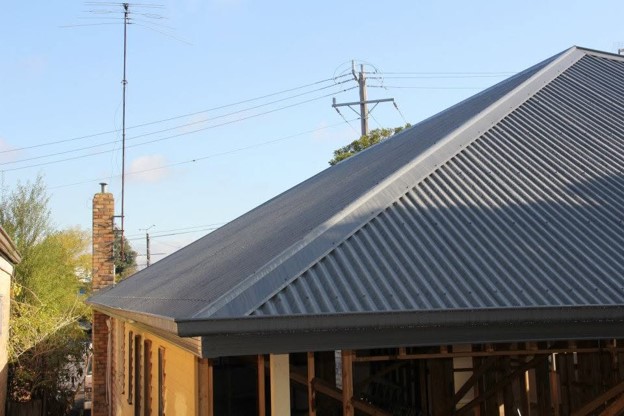
What Is COLORBOND Roofing?
COLORBOND is a pre-finished steel roofing material designed specifically for Australian conditions. It is available in a range of colours and profiles, allowing homeowners to create anything from a traditional appearance to a sleek, contemporary finish.
COLORBOND steel roofing is manufactured with protective coatings designed to help resist corrosion and weathering. Its relatively lightweight construction also makes it suitable for a wide range of residential and commercial applications.
One of the main advantages of COLORBOND is that the colour isn’t simply painted onto the surface as part of the installation process. The steel is manufactured with a carefully developed coating system designed to provide long-term performance.
Why Choose COLORBOND Roof Sheets?
There are several reasons Australian homeowners choose COLORBOND roof sheets when replacing an existing roof or building a new home.
Durability
A roof needs to withstand everything from heavy rain and strong winds to intense sunlight. COLORBONDsteel is designed with Australia’s demanding climate in mind.
When correctly selected and installed, it can provide long-lasting protection for your property.
Low Maintenance
Unlike some traditional roofing materials, steel roofing generally requires relatively little maintenance. Keeping gutters clear, removing accumulated debris and checking the roof periodically can help maintain its condition.
A Wide Choice of Colours
COLORBOND is available in a variety of colours, making it easier to coordinate your roof with walls, windows, doors and other exterior elements.
The right colour can have a significant impact on your home’s overall appearance.
Lightweight Construction
Steel roofing is comparatively lightweight, which can make it a practical option for many properties and replacement roofing projects.
Modern Appearance
Whether you’re replacing an ageing roof on a traditional home or completing a contemporary renovation, COLORBOND can provide a crisp and uniform finish.
Colorbond Corrugated Roofing
Colorbond corrugated roofing is one of the most recognisable metal roofing profiles in Australia. Its traditional wave-shaped design provides a classic appearance while offering the durability and weather resistance associated with Colorbond steel.
Corrugated Colorbond sheets can suit a wide range of homes, from traditional properties to contemporary renovations. They are available in a broad selection of Colorbond colours, making it easy to coordinate the roof with your home’s exterior.
When choosing between corrugated and other Colorbond profiles, factors such as roof design, pitch, appearance, structural requirements and local weather conditions should be considered. A professional roofing contractor can recommend the most suitable profile for your property.
What About COLORBOND Flat Sheets?
Not every part of a roof necessarily uses the same profiled sheet. COLORBOND flat sheets can be used in certain roofing, flashing, wall cladding and architectural applications where a flat metal surface is required.
The right product depends on the design and requirements of the project. Roof pitch, weather exposure, drainage requirements and the intended application all need to be considered.
A professional roofer can determine which COLORBOND products and profiles are right for your property rather than simply selecting a product based on appearance.
The COLORBOND Roof Installation Process
A corrugated COLORBOND roof installation involves several stages. The exact process will vary depending on whether you’re building a new roof, replacing an existing roof or completing a renovation.
Step 1: Inspect the Existing Roof
Before any new roofing material is installed, the existing roof structure needs to be assessed.
For a replacement project, this may involve removing the old roofing and checking the condition of the underlying structure, battens, trusses and other components.
Any structural problems should be addressed before new roofing is installed.
This is an important step because installing a new roof over an underlying problem can create bigger issues later.
Step 2: Prepare the Roof Structure
Once the roof has been inspected, the supporting structure is prepared for the new roofing.
Battens may need to be installed or replaced depending on the roof design. They provide fixing points for the metal sheets and help ensure the roofing is properly supported.
The spacing and installation of battens must be appropriate for the selected roofing profile and the requirements of the project.
Step 3: Install Roofing Insulation and Sarking
Depending on the roof design and requirements, insulation, sarking or other under-roof materials may be installed before the COLORBONDsheets.
These materials can assist with condensation management, thermal performance and weather protection.
Proper roof insulation can also make a noticeable difference to the comfort and energy efficiency of your home.
The appropriate under-roof system depends on the roof design, climate and construction requirements.
Step 4: Install the COLORBOND Roof Sheets
The next stage is installing the main roofing sheets.
The sheets need to be positioned correctly and installed according to the manufacturer’s requirements and applicable Australian standards.
Correct alignment is important, particularly around roof edges, valleys, ridges and penetrations.
The roofer also needs to account for the direction of water flow and prevailing weather conditions when determining how sheets overlap.
Poorly installed overlaps or fixings can increase the risk of water penetration and other problems.
Step 5: Secure the Roofing
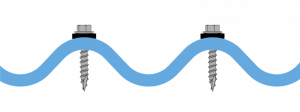
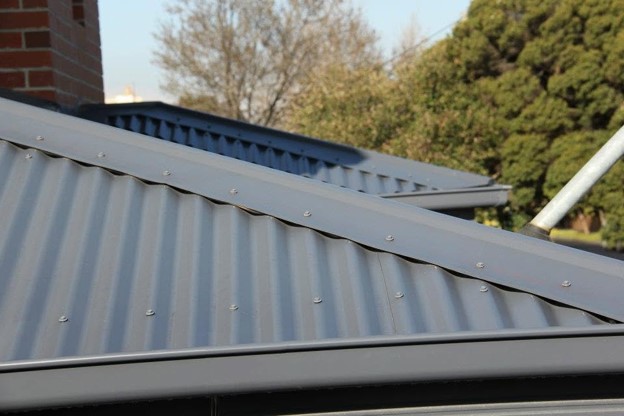
Once the sheets are correctly positioned, they are secured using suitable roofing fasteners.
The type, location and spacing of fixings are important. Over-tightening or incorrectly positioning fasteners can damage the roofing material or compromise its performance.
Professional installers will use appropriate fixings for the roofing system and substrate.
This is one of the reasons professional installation is preferable to attempting a complex roof replacement without the necessary experience.
Step 6: Install Flashings and Cappings
Once the main roof sheets are installed, the roof’s flashings, ridge cappings, hip cappings and other finishing components can be fitted.
These components aren’t simply decorative.
They play an important role in directing water away from vulnerable areas and helping create a weather-resistant roof.
Careful installation around chimneys, skylights, vents, walls and other penetrations is particularly important.
Step 7: Complete a Final Inspection
After installation is complete, the roof should be inspected carefully.
The installer should check:
- Roof sheet alignment
- Fasteners
- Flashings
- Cappings
- Valleys
- Roof penetrations
- Gutters
- Downpipes
- Overall drainage
- Visible debris or metal swarf
Any metal swarf left behind from cutting or drilling should be removed. If left on the roof, these small metal particles can contribute to staining and corrosion. A thorough final clean and inspection helps ensure the completed roof is ready to withstand the weather.
What Australian Standards Apply?
Roofing installation needs to comply with relevant Australian standards, building requirements and manufacturer specifications.
For metal roof installation, AS 1562.1 is an important standard covering the design and installation of sheet roof and wall cladding.
However, roofing requirements can vary depending on the property, location, roof design and materials being used.
This is another reason to use an experienced roofing contractor. A professional should understand the relevant requirements and ensure the installation is completed appropriately.
Should You Install COLORBOND Roofing Yourself?
DIY roofing can look tempting, particularly when you see the apparent simplicity of laying metal sheets.
However, roof installation involves working at height, handling large sheets of metal and ensuring the roof is correctly weatherproofed.
A mistake with sheet alignment, flashing, fasteners or drainage can result in leaks or premature deterioration.
There are also significant safety risks associated with working on a roof.
Professional roofing contractors have the equipment, experience and knowledge required to complete the work safely and correctly.
For most homeowners, professional installation is a worthwhile investment.
Don’t Forget COLORBOND Guttering and Downpipes
A new roof should be considered as a complete water management system rather than just a collection of roofing sheets.
Your gutters and downpipes need to be capable of handling the water collected from the roof.
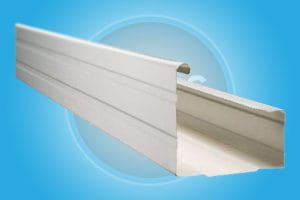
Installing COLORBOND guttering can create a coordinated appearance while providing an effective system for directing rainwater away from your home.
Similarly, COLORBOND downpipes can be selected to complement your roof and gutter colour.
When designing the drainage system, factors such as roof area, rainfall intensity, gutter capacity and downpipe placement need to be considered.
Incorrectly sized or poorly positioned drainage can result in overflowing gutters, water staining and potential damage to walls, foundations and landscaping.
How Much Does COLORBOND Roofing Cost?
The cost of a COLORBONDroof varies considerably from one project to another. Factors that can influence the total price include:
- Roof size
- Roof pitch
- Roof design
- Number of valleys
- Existing roof removal
- Structural repairs
- Choice of COLORBOND profile
- Insulation requirements
- Flashings
- Guttering
- Downpipes
- Roof access
- Labour
- Site conditions
A straightforward roof replacement will generally cost less than a complex roof with multiple levels, valleys, penetrations and structural modifications.
Rather than relying on a generic per-square-metre price, it’s better to obtain a detailed quote based on an inspection of your specific property.
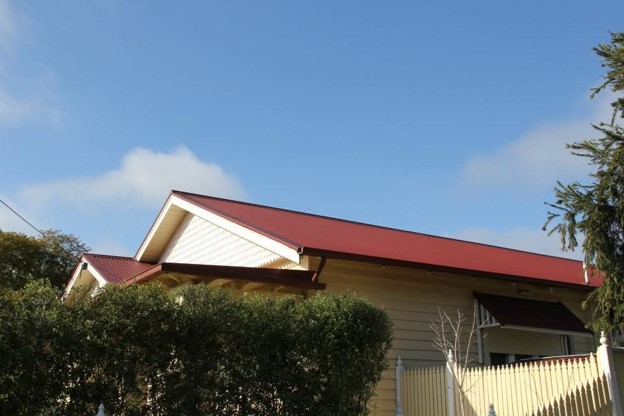
Choosing the Right Colour
Colour is one of the most enjoyable parts of selecting a new roof, but it’s worth thinking about the long-term appearance of your property.
Consider the colour of:
- Exterior walls
- Brickwork
- Window frames
- Garage doors
- Fascias
- Gutters
- Downpipes
- Fencing
- Other exterior finishes
You can choose a roof colour that contrasts with the walls or select complementary tones for a more cohesive appearance.
Remember that your roof is going to be part of your home’s exterior for many years, so choosing a colour based purely on a short-term trend may not be the best approach.
Why Professional COLORBOND Installation Matters
The quality of the installation can be just as important as the quality of the roofing material itself.
Even high-quality COLORBOND roof sheets can experience problems if they’re incorrectly installed.
A professional roofer understands how to manage:
- Roof sheet overlaps
- Fixing requirements
- Flashings
- Valleys
- Ridge cappings
- Roof penetrations
- Guttering
- Downpipes
- Ventilation
- Drainage
- Weatherproofing
They can also identify potential structural problems before the new roof is installed.
At Roofing Options, we understand that replacing a roof is a major investment. Our goal is to provide homeowners with practical roofing solutions that combine quality materials, careful installation and long-term performance.
Upgrade Your Home With Corrugated COLORBOND Steel Roofing
Whether you’re replacing an ageing roof, renovating your home or building a new property, corrugated COLORBOND steel roofing can provide a durable and attractive solution.
From choosing the right profile and colour to installing the roof sheets, flashings, COLORBOND guttering and COLORBOND downpipes, every part of the project contributes to the final result.
If you’re considering a new COLORBOND roof, speak with Roofing Options about your project.
Call us today on 03 8339 1150 (Campbellfield) or 03 9702 3301 (Clyde North), shop online or visit us in-store, to find the right products and expert advice and guidance.