






Choosing the right roofing material for your patio or pergola is one of those decisions that seems simple until you actually start comparing options. Suddenly, you are weighing up heat, light, noise, cost, looks, and how your space will feel in the middle of an Australian summer.
Two of the most popular choices across Australia are polycarbonate roofing and Colorbond steel. Both are widely used, both are durable, and both can work beautifully when chosen for the right reasons. But they behave very differently once installed.
This guide breaks it all down clearly. We will look at how polycarbonate and Colorbond compare on light, heat, comfort, durability, aesthetics, and long-term value. By the end, you should have a much clearer idea of which option suits your patio or pergola and your lifestyle.
Why Roofing Choice Matters for Outdoor Living
In Australia, patios and pergolas are not just decorative extras. They are genuine living spaces. We use them for weekend barbecues, morning coffees, kids’ play areas, and evening catch-ups with friends.
The roofing you choose directly affects how usable that space is throughout the year. The wrong material can turn your pergola into a heat trap in summer or a dark, gloomy corner in winter. The right one can make it feel like a natural extension of your home.
That is why comparing polycarbonate roofing vs Colorbond properly matters. It is not about which is better overall. It is about which is better for your specific needs.
What Is Polycarbonate Roofing?
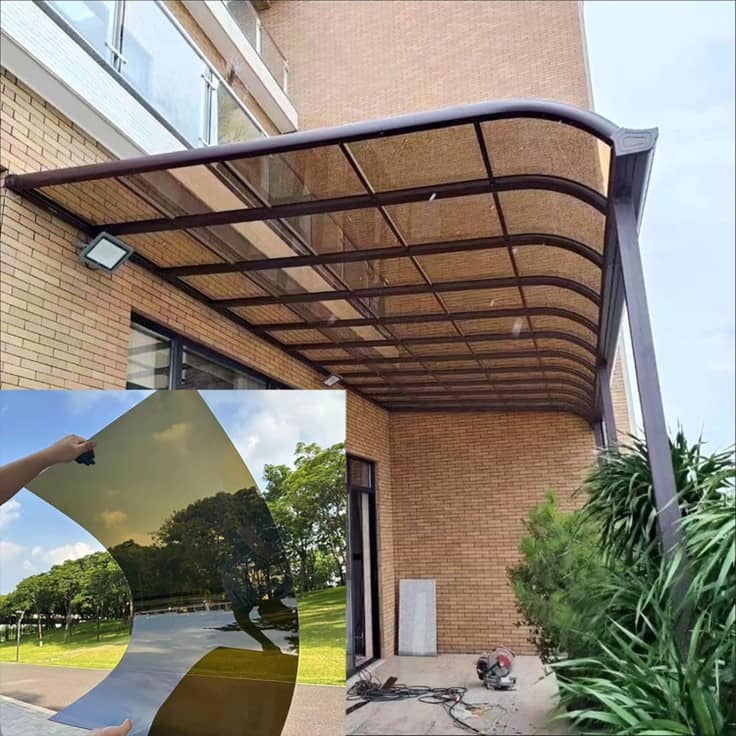
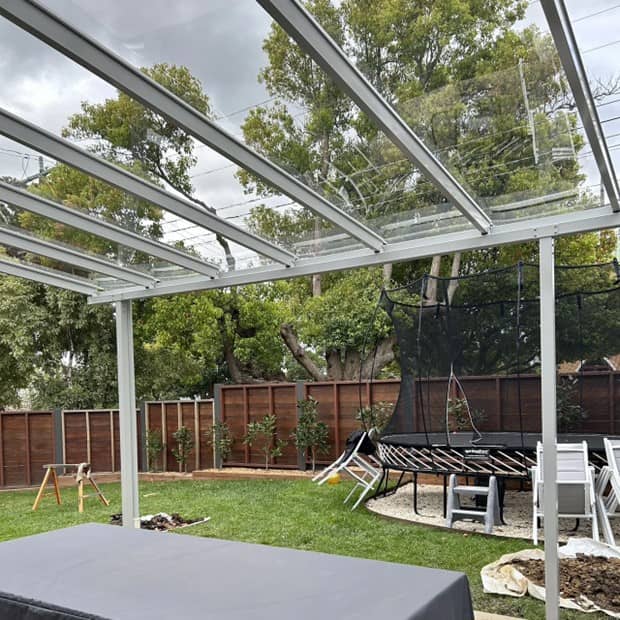
Polycarbonate roofing is a lightweight, high-impact plastic roofing material commonly used for patios, pergolas, verandahs, and carports. It is engineered to handle Australia’s harsh UV exposure while allowing light to pass through.
At Roofing Options, polycarbonate sheets are available in a wide range of profiles and colours, including clear, opal, bronze, grey, and heat-reducing tints. This flexibility is a big reason polycarbonate remains so popular for outdoor structures.
Key characteristics of polycarbonate roofing
Polycarbonate roofing is known for:
- High light transmission, depending on the colour chosen
- UV protection to reduce sun damage and glare
- Lightweight sheets that are easy to install
- Excellent impact resistance, including hail resistance
- Modern, clean aesthetics that suit contemporary homes
Because of these qualities, polycarbonate is often chosen when homeowners want a bright, open-feeling outdoor area.
What Is Colorbond Roofing?
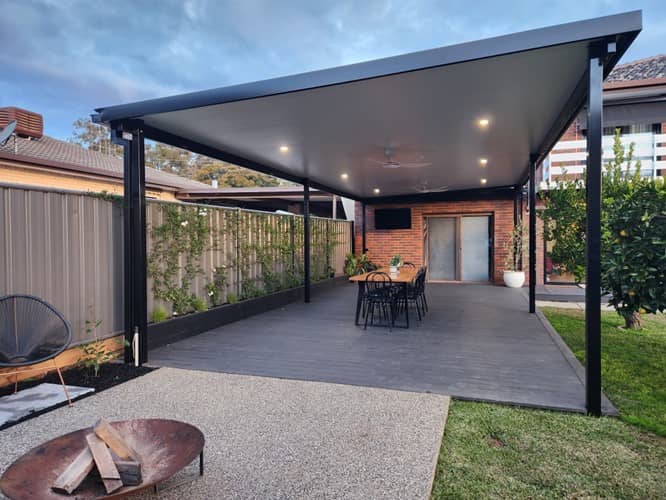
Colorbond roofing is made from high-quality steel and coated with a durable, baked-on paint finish designed specifically for Australian conditions. It is commonly used for house roofs but is equally popular for patios, pergolas, and alfresco areas.
Colorbond is opaque, meaning it blocks all light. This creates a fully shaded outdoor space, similar to an indoor ceiling but with the durability needed for external use.
Key characteristics of Colorbond roofing
Colorbond roofing is known for:
- Excellent heat reflection when lighter colours are used
- Strong, solid construction with long lifespan
- Wide colour range to match existing house roofs
- Full shade and weather protection
- A more traditional, architectural appearance
For homeowners who prioritise shade, privacy, and a solid feel, Colorbond is often the go-to option.
Light and Brightness: How Much Sun Do You Want?
One of the biggest differences between polycarbonate roofing and Colorbond is how they handle light.
Polycarbonate roofing and natural light
Polycarbonate allows varying levels of light through, depending on the colour and finish:
- Clear sheets let in the most light and give a skylight-style effect
- Opal sheets diffuse light evenly without harsh glare
- Tinted options balance brightness with heat reduction
This makes polycarbonate ideal if your patio or pergola is attached to your home and you want to keep internal rooms bright. It can also make smaller outdoor areas feel more open and spacious.
Colorbond roofing and full shade
Colorbond blocks all light. The result is consistent shade throughout the day, regardless of sun angle.
This can be a major advantage if:
- Your outdoor area faces west or north
- You want protection from harsh afternoon sun
- You plan to use the space during peak summer heat
However, it can also darken adjacent indoor spaces, especially if your patio sits outside living or dining rooms.
Heat Management
Heat control is often the deciding factor for Australian homeowners.
Heat performance of polycarbonate roofing
Modern polycarbonate roofing is designed with UV and heat control technologies. Opal and tinted sheets in particular reduce heat transmission while still allowing light in.
That said, polycarbonate will always allow more radiant heat than an opaque material. On extremely hot days, the space underneath can feel warmer unless airflow and ventilation are well planned.
Roofing Options often recommends pairing polycarbonate roofing with:
- Open pergola designs
- Ceiling fans or outdoor ventilation
- Lighter colour sheets for better heat reflection
This combination can make a big difference in comfort.
Heat performance of Colorbond roofing
Colorbond excels at blocking radiant heat. Lighter colours reflect a significant amount of solar energy, keeping the area underneath cooler.
If your priority is maximum heat reduction and you want your patio to feel comfortable even on very hot days, Colorbond usually has the edge. It also pairs well with insulated roofing options, which we cover in their guide to patio roofing solutions for Australian homes.
Noise: What Happens When It Rains?
Rain noise is another common concern, especially for homeowners who want to use their patio year-round.
Polycarbonate roofing and rain noise
Polycarbonate tends to amplify the sound of rain more than steel. During heavy downpours, it can be quite noticeable.
Some people enjoy this effect, while others find it distracting. Proper installation and spacing can reduce noise, but it is something to be aware of.
Colorbond roofing and rain noise
Colorbond is generally quieter than polycarbonate, particularly when installed with insulation or proper framing. It produces a deeper, softer sound during rain, which many people find less intrusive.
If noise sensitivity is high on your priority list, Colorbond may be the more comfortable option.
Durability and Maintenance
Both materials are designed for Australian conditions, but they age differently.
Polycarbonate durability
Polycarbonate is extremely impact resistant and does not rust. It handles hail well and is resistant to cracking.
Over time, cheaper polycarbonate products can discolour, but high-quality sheets supplied by Roofing Options are UV-stabilised to maintain clarity and performance for years.
Maintenance is simple:
- Occasional cleaning with mild soap and water
- Avoid abrasive cleaners
Colorbond durability
Colorbond is known for its long lifespan and strength. It resists corrosion, peeling, and chipping when properly installed.
Maintenance is minimal:
- Occasional washing to remove dirt and salt build-up
- Particularly important in coastal areas
Both options are low-maintenance, but Colorbond generally holds its appearance longer with less visible ageing.
Design and Street Appeal
Your patio or pergola should complement your home, not compete with it.
The look of polycarbonate roofing
Polycarbonate suits modern and contemporary homes. It creates a lighter, more open aesthetic and works beautifully with timber or aluminium pergola structures.
It is especially popular for:
- Courtyard-style patios
- Homes where natural light is a priority
- Smaller outdoor areas
The look of Colorbond roofing
Colorbond offers a more solid, architectural appearance. It is ideal if you want your patio roof to blend seamlessly with your existing house roof.
It works well for:
- Traditional homes
- Larger alfresco areas
- Designs where privacy and shade matter
Roofing Options often helps homeowners match Colorbond colours precisely to existing roofing for a cohesive finish.
Cost Considerations
Budget always plays a role, but it should be weighed against long-term value.
Polycarbonate roofing is generally more affordable upfront, especially for smaller patios and pergolas. Installation is often quicker due to its lightweight nature.
Colorbond typically costs more initially but offers excellent longevity and thermal performance. For many homeowners, the long-term comfort and durability justify the higher price.
Roofing Options provides tailored advice and quotations so you can weigh cost against performance rather than guessing.
Which One Is Right for Your Patio or Pergola?
There is no universal winner in the polycarbonate roofing vs Colorbond debate. The right choice depends on how you plan to use your space.
Polycarbonate roofing is often best if you:
- Want a bright, airy outdoor area
- Need natural light inside your home
- Prefer a modern, lightweight look
Colorbond roofing is often best if you:
- Want full shade and cooler temperatures
- Are sensitive to noise
- Want your patio to match your home roof
If you are still unsure, Roofing Options has helpful resources on pergola roofing design ideas and patio roof upgrades, which explore real-world applications of both materials.
Ready to Choose the Right Roofing Solution?
Both polycarbonate roofing and Colorbond are excellent choices for Australian patios and pergolas. The key is understanding how each material behaves once installed, not just how it looks on a sample sheet.
By considering light, heat, noise, aesthetics, and long-term comfort, you can make a decision that genuinely improves how you use your outdoor space.
At Roofing Options, we help homeowners choose roofing that actually suits their lifestyle, not just their budget. Whether you are leaning towards polycarbonate, Colorbond, or want expert advice comparing both, our team is here to help.
Get in touch with Roofing Options today for personalised guidance, quality materials, and a patio or pergola roof you will enjoy for years to come.